做語音 tokenization,最麻煩的情況往往不是音節邊界找不到,而是模型把講者特徵一併學進去,最後分出來的 token 混雜了聲線而不是語言內容。speaker_disentangled_hubert 屬於語音模型項目,核心工作是把原始語音整理成較純淨的 syllabic token,讓後續的 speech language model 更容易學到句法與語意。
現有做法多數沿用 pretrained HuBERT 的 teacher-student distillation,再用 utterance-level cross-entropy 目標去組織 frame 表徵;作者認為這種 fixed 範式會令學生模型偏向預測 speaker identity。這個項目改用 Speaker-Disentangled Chunk-Wise Regression for Syllabic Tokenization,在 fixed-length chunks 內,將加入 speaker 擾動的 student representations 拉回乾淨的 teacher targets,重點不是再加更多標籤,而是直接削弱講者資訊對音節切分的干擾。
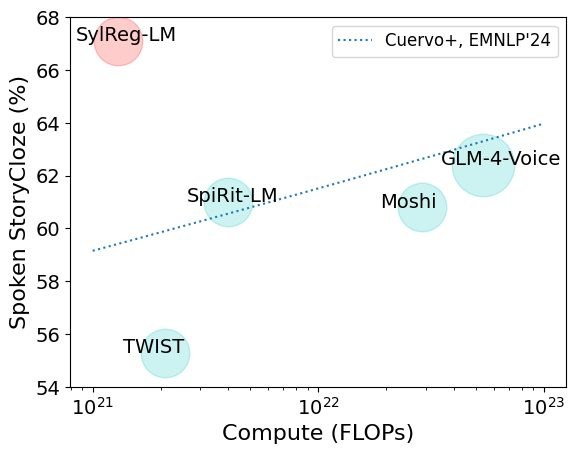
從結果來看,它的取向相當明確:寧願把訓練設計做得更細,也要換取更乾淨的 syllabic segments。論文指出,這套方法在 syllable boundary detection 與 syllabic segment clustering 都做到 state-of-the-art;再往下接 speech language model,基於這批 syllabic tokens 的模型,對比 phone-level SpiRit-LM,在 syntactic and semantic understanding 取得 7% relative improvement。對研究語音表示學習、低資源語音建模,或者想把離散語音單位接到語言模型的人,這個方向幾有參考價值。
- 針對 HuBERT teacher-student distillation 容易混入 speaker identity 的問題
- 用 chunk-wise regression 取代單純 utterance-level cross-entropy 訓練邏輯
- 任務焦點包括 syllable boundary detection 與 syllabic segment clustering
- 相關脈絡涵蓋 pretrained HuBERT、speech language model,以及 phone-level SpiRit-LM
測試與理解方式亦算直接:項目提供 Paper、Code、Model 與網頁上的 resynthesis samples、syllable segmentation 示例,先聽重建語音,再看音節分段,已經可以判斷 tokenization 有沒有保住語言結構。現有資訊未完整列出部署流程與安裝細節,所以較適合作為研究型項目閱讀、重現與比較;使用時也要留意,它的驗證主要建基於 LibriSpeech,跨語者以外的語種、錄音條件與資料分佈,仍然值得再做額外確認。